
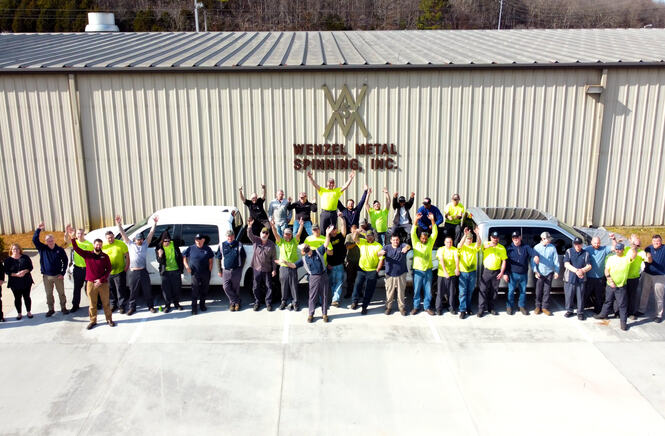
Wenzel Metal Spinning | automating metal spinning processes
THE AMERICAN MANUFACTURER REDUCED TRIMMING TIME FROM OVER AN HOUR TO MINUTES, MAKING COMPLEX GEOMETRIES EASIER TO HANDLE WHILE IMPROVING SAFETY.
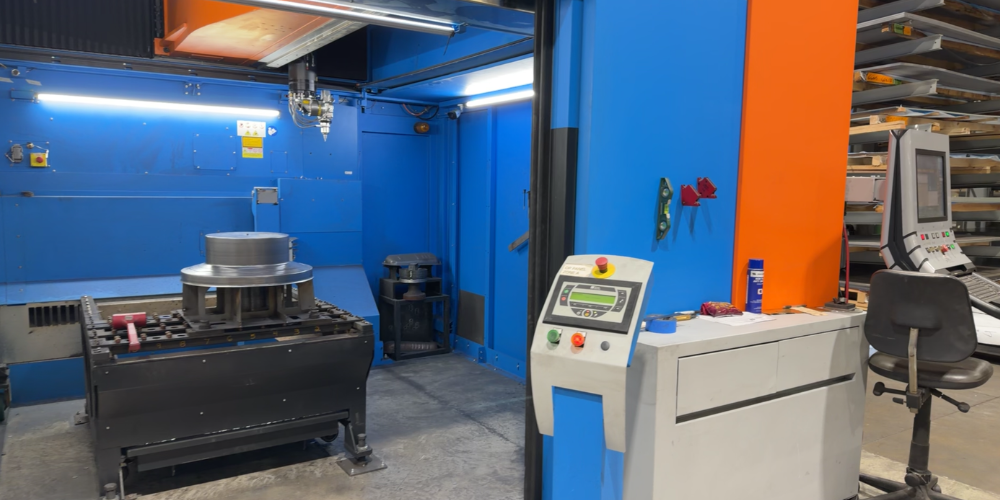
Wenzel Metal Spinning, one of the largest metal spinning companies in the United States, recently integrated the Prima Power Laser Next 2141 into its workflow.The investment improved safety, quality and waste control, while enabling the company to process more complex geometries and expand its range of applications.
From everyday components to high-precision parts
Founded in 1982, Wenzel Metal Spinning operates multiple facilities in Indiana and Alabama, with around 250,000 square feet of manufacturing space and 150 employees.
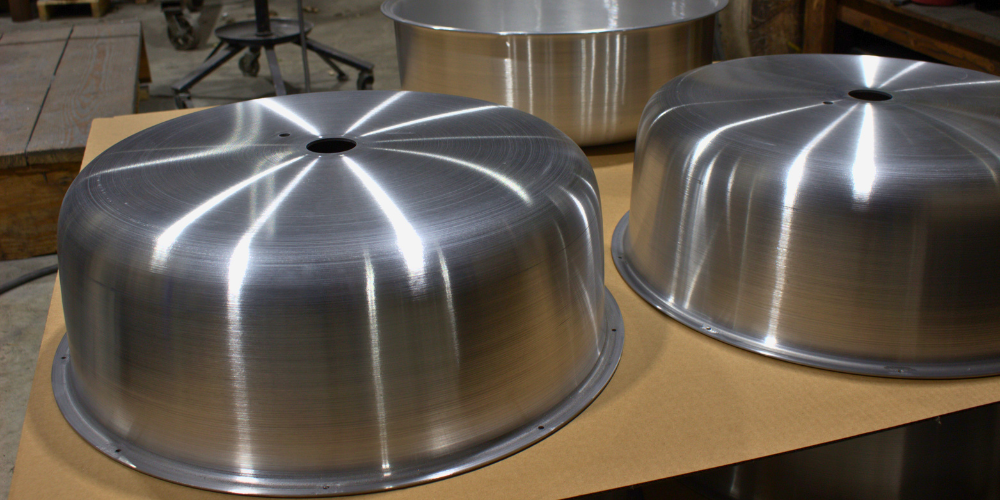
“Our capabilities span from high-volume industrial components, like trash can lids, to high-precision parts made with exotic materials for the Mars Rover,” says Ryan Funkhouser, General Manager at Wenzel Metal Spinning.
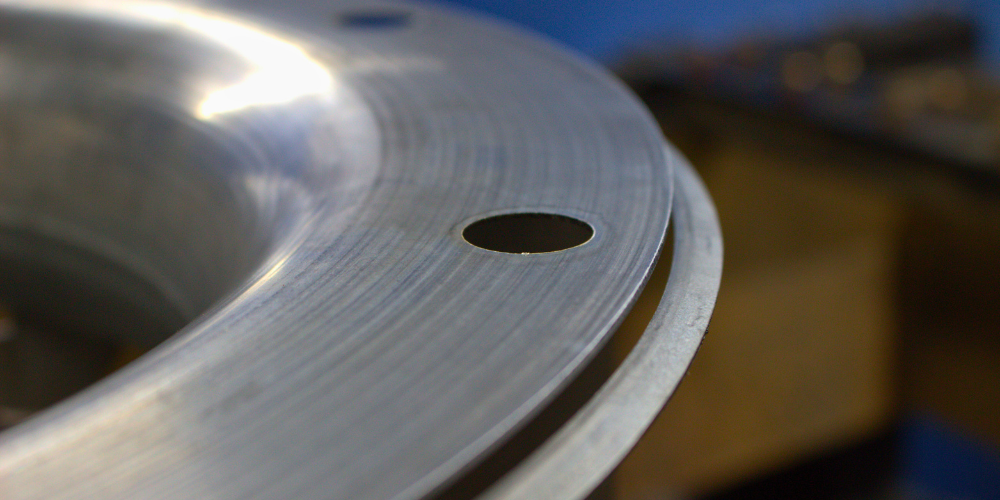
Recent projects range from everyday industrial components to specialized aerospace parts. These applications require tight tolerances and often involve exotic alloys, making post-processing especially demanding.
Metal spinning: a process that relies on experience
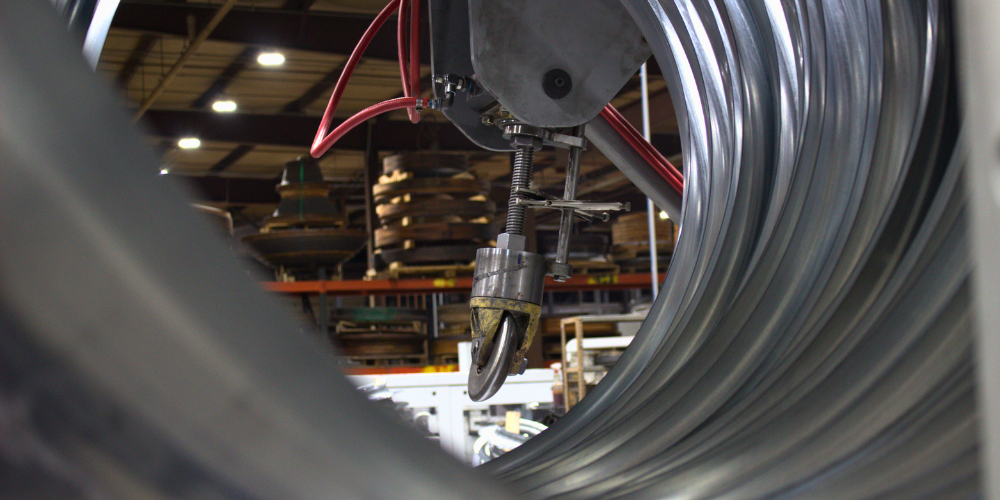
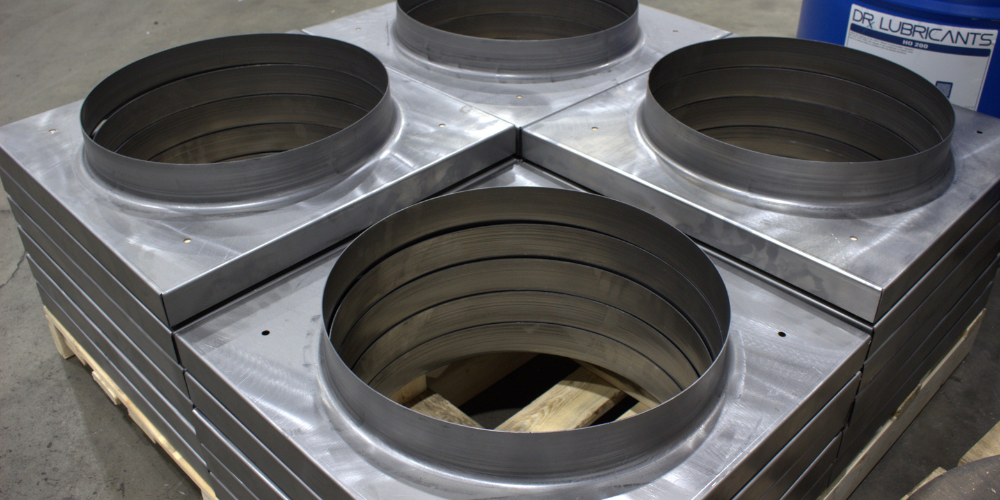
Metal spinning is a cold work metal forming process used to create axially symmetric parts. The process begins with a flat sheet of metal cut into a disk and is then formed over a rotating mandrel into a round shape.
“It’s as much an art as it is a science,” Funkhouser explains. “You are moving metal, changing its grain structure. It requires a feel for the material that you can’t just program into a computer.”
This “feel” is why Wenzel values its long-term employees so highly. Knowing how much pressure to apply without damaging the material takes years to develop.
Manual trimming as a production bottleneck
For years, trimming spun parts was a limiting step. The process was manual, slow, and potentially unsafe, and it lacked the consistency needed to meet increasingly complex customer demands.
“We were hitting a wall,” says Funkhouser. “We could spin parts faster than we could finish them. We had to decline jobs requiring complex cutouts because we couldn’t manage the finishing cost-effectively. We needed a solution that could handle the 3D nature of our parts.”
Selecting a 5-axis solution
The search for a 5-axis laser was rigorous. Wenzel evaluated the top players in the market, including German and Japanese manufacturers, before selecting Prima Power.
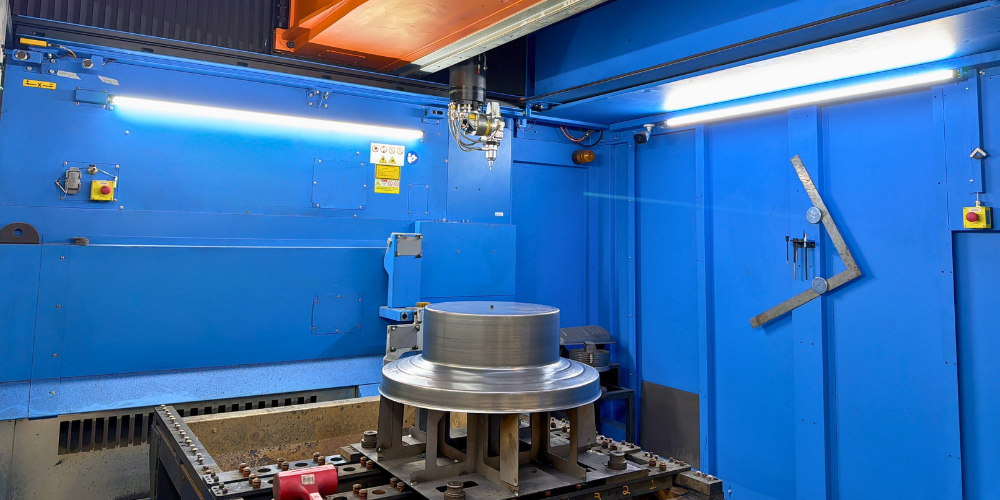
“The Laser Next 2141 from Prima Power fit our needs, including the cabin size, which accommodates the larger parts we make,” says Operations Manager Ned Kaiser.
“They understood our workflow and showed how the machine could integrate into our shop floor. Support was also a key factor. When you’re running production, you can’t wait three weeks for a technician.”
Reduced cycle time and continuous operation
“What previously required multiple jigs, steps, and several workers is now down to a single operation,” says Production Manager Lance Angus. “We’ve cut tasks that took over an hour down to just a few minutes.”
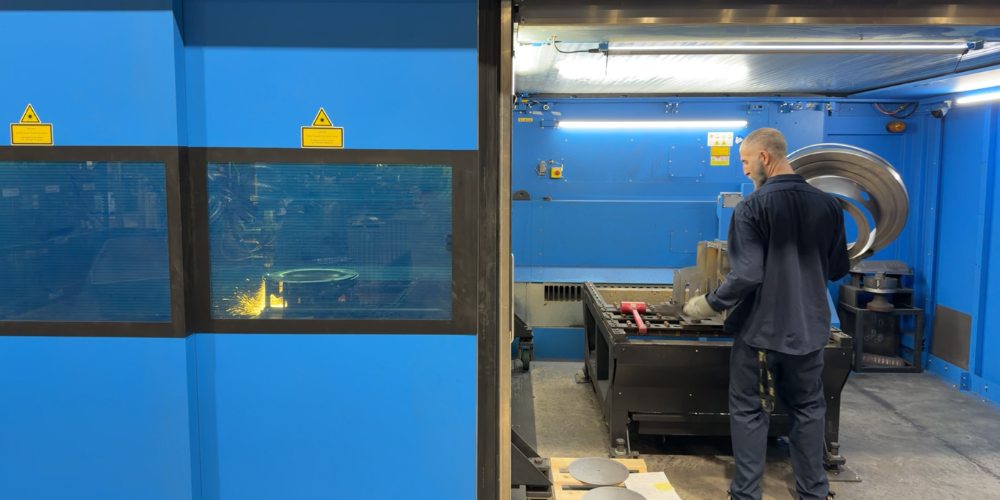
The split cabin configuration allows continuous operation. “While the laser is cutting a complex pattern on the left table, an operator is unloading a finished part and loading a raw one on the right table,” he explains. “The laser beam is almost always on. We aren’t paying an operator to watch a machine work; we’re paying them to keep the machine fed.”
Tighter tolerances and reduced scrap
The 5-axis capability has enabled Wenzel to achieve tolerances previously impossible. “We are doing aerospace parts where the tolerance is plus or minus five thousandths of an inch,” Kaiser adds.
This precision has also drastically reduced scrap. In the world of metal spinning, scrapped parts are costly, especially when working with expensive materials such as Inconel and Hastelloy.
Installing and integrating the new system
“Installing and integrating new technology into production is often challenging, but Prima Power made it manageable,” Kaiser explains. “They were on-site to assemble the machine, adjust parameters, train our team, and ensure the software integrated seamlessly with our existing systems. Their applications engineer guided us in mastering its capabilities and tackling complex processes and geometries.”
Safer operations and workforce impact
The new system also contributes to improved safety by reducing operator interaction with higher-risk trimming processes. “Operators transition from direct handling of sharp edges and cutting tools to loading a fixture and initiating the cycle,” says Angus, “creating a cleaner, quieter, and more controlled workflow.”
Advanced equipment also supports workforce development. In an industry that often struggles to attract younger workers, cutting-edge technology is a big draw. “Younger workers want to operate advanced equipment like the Prima Power laser,” Funkhouser notes.
“It involves programming, robotics, and high-tech interfaces. It shifts the role from ‘laborer’ to ‘technician’. Automation isn’t replacing our workforce. It’s motivating our people.”
How new technology reshaped the company’s positioning
“The integration of the Prima Power Laser Next 2141 changed how we position ourselves,” Funkhouser reflects. “We are no longer just a spinning house that does a little fabrication on the side. This machine has given us the confidence to take on more complex jobs where spinning is just the starting point.”
Funkhouser sees a broader evolution in the company’s direction. “We are realizing that our name needs to reflect our expanded capabilities. We’re no longer just ‘Wenzel Metal Spinning’; we are becoming ‘Wenzel Metal Spinning and Fabrication’.”
Are you looking for a similar solution for your company? Find it here.
3D Laser
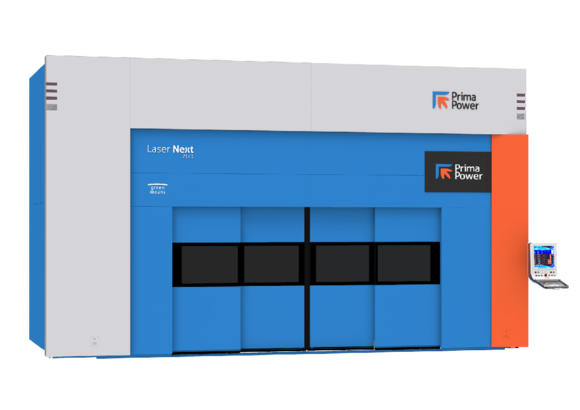
Laser Next 2141
3D LASER CUTTING MACHINES
The flexible solution with large working envelope and best-in-class efficiency
3D Laser
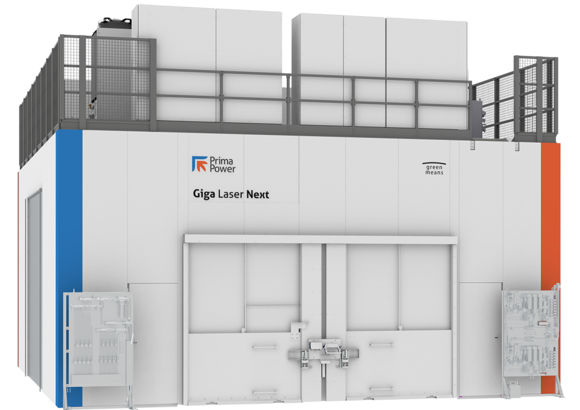
Giga Laser Next
3D LASER CUTTING MACHINES
Maximum productivity and minimum floor space for automated 3D laser cutting
3D Laser
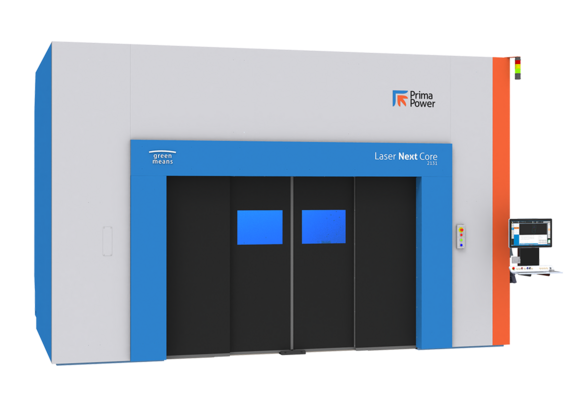
Laser Next Core 2131
3D LASER CUTTING MACHINES
Versatility meets cost-efficiency in 3D laser processing
3D Laser
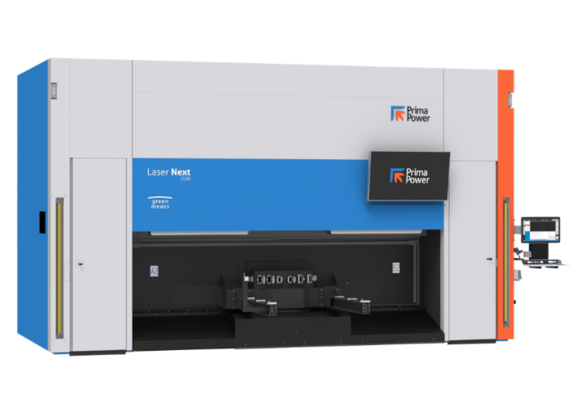
Laser Next 1530-2130
3D LASER CUTTING MACHINES